Egypt travel for seniors works beautifully when the pace, the heat and the stairs are planned for you
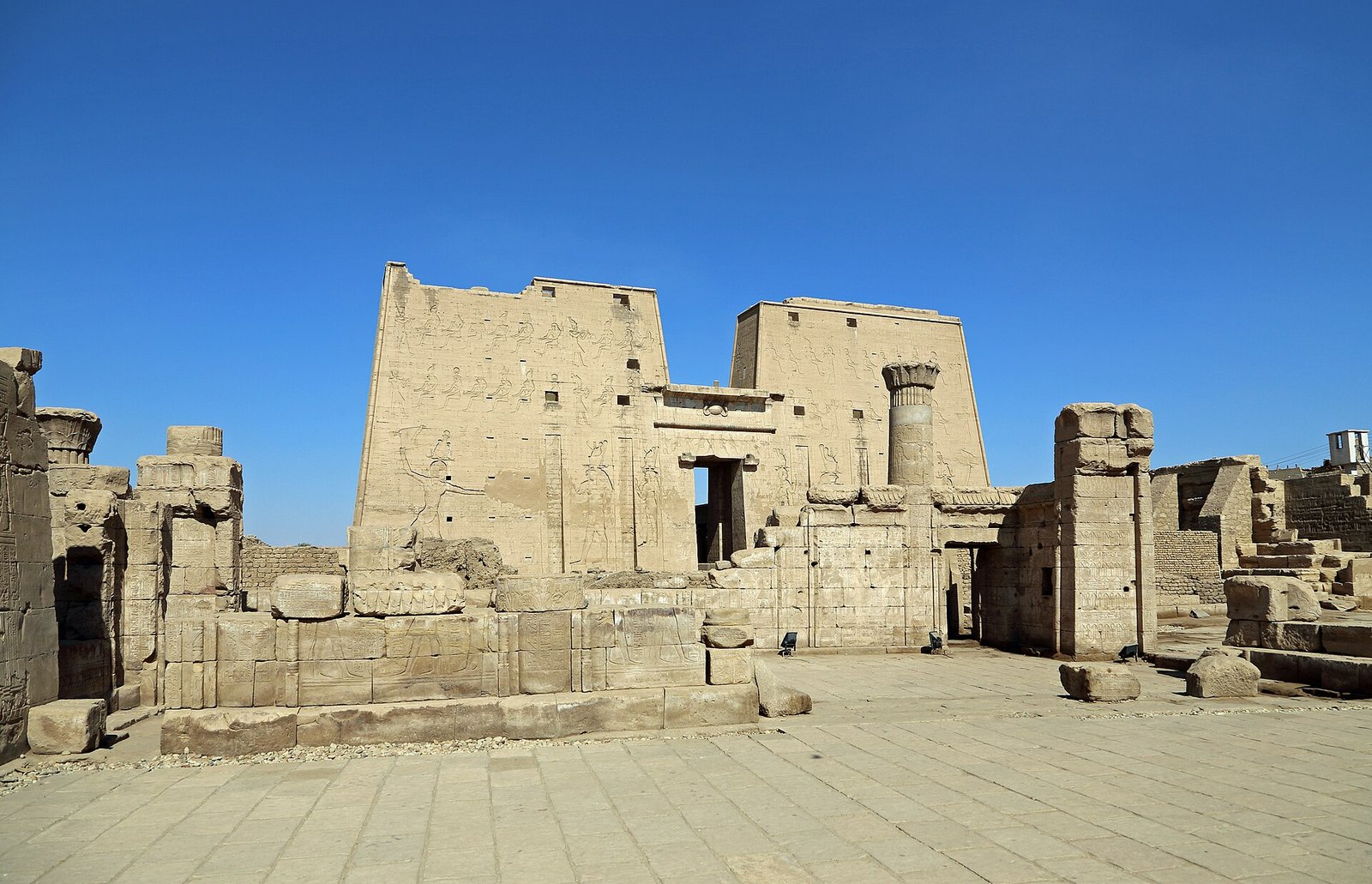
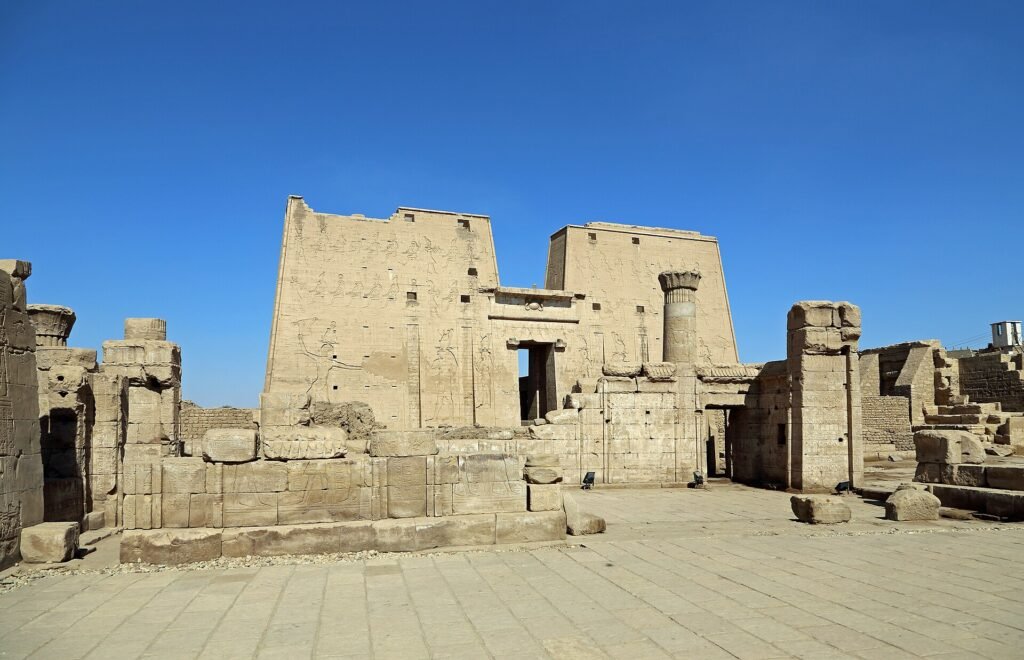
Egypt travel for seniors works beautifully when the pace, the heat and the stairs are planned for you
Egypt is one of the best trips you can take after 60. The great sights are mostly flat, the distances are covered by boat, plane and private car, and the country has looked after older visitors for a century. The trip that works is a Nile cruise as the base, one main visit per day done early, a private car and guide, hotels with elevators, and dates between October and April when afternoons sit near 75 F (24 C) rather than 105 F (40 C). A few sites are demanding, the Valley of the Kings tombs, the inside of a pyramid and the pre-dawn run to Abu Simbel, and every one is optional.
Is Egypt a good trip after 60? Yes, and the usual worries are the wrong ones
Almost every question we get from travelers over 60 comes down to the heat, the walking and the health system. All three are manageable, because Egyptian tourism was built around exactly this visitor. Karnak, Luxor Temple, Philae, Kom Ombo, Abu Simbel and the great museums in Cairo are essentially flat. You are driven to the gate, you walk on paving, and a bench in the shade is closer than you expect. The distances in between are covered by a short domestic flight, a ship that moves while you sleep and a car that waits at the door.
What makes a senior trip tiring is not Egypt. It is a schedule written for 30-year-olds, two big sites before lunch and a new hotel every night. Fix the schedule and the country turns gentle.
Why a Nile cruise is the ideal base for older travelers
If you take one piece of advice from this page, make it this: put the cruise at the center of the trip. A Nile cruise between Luxor and Aswan is a floating hotel. You unpack once, the cabin is air-conditioned, meals are on board, and the temples come to you. Each morning the ship is tied up a short drive from that day's site, and by the time the sun is high you are back on the sundeck under an awning, watching palms and water buffalo slide past.
The rhythm is naturally slow: one temple in the morning, sometimes a second once it has cooled, and hours of sailing in between. Anyone who does not feel like a visit stays on board, and the guide collects them later. Skipping without disrupting anyone is worth more to an older traveler than anything else on the boat.
Two things to check before choosing the ship. Elevators: some boats have one and many do not, so ask for a cabin on the restaurant deck or for a boat with an elevator. Docking: at busy quays ships tie up side by side, and you cross through neighboring boats to reach the shore, a few steps and short gangways with a crew member holding out a hand. Our guide on how to choose a Nile cruise covers the boat categories.
Which sites are gentle and which are demanding, honestly
This is the information nobody gives you. Every site below is worth seeing, but the physical ask is very different from one to the next.
| Site | Effort | What the effort actually is |
|---|---|---|
| Karnak and Luxor Temple | Gentle | Flat, paved, shade in the columned halls |
| Philae, Kom Ombo, Abu Simbel (the site itself) | Gentle | Flat stone; Philae adds a short boat ride |
| Grand Egyptian Museum, Egyptian Museum in Tahrir | Gentle | Indoor, cool, elevators and ramps, wheelchairs on request |
| Giza plateau from outside | Moderate | Sand and slope, but the car drives you between viewpoints |
| Edfu | Moderate | A few steps into the sanctuary and an uneven forecourt |
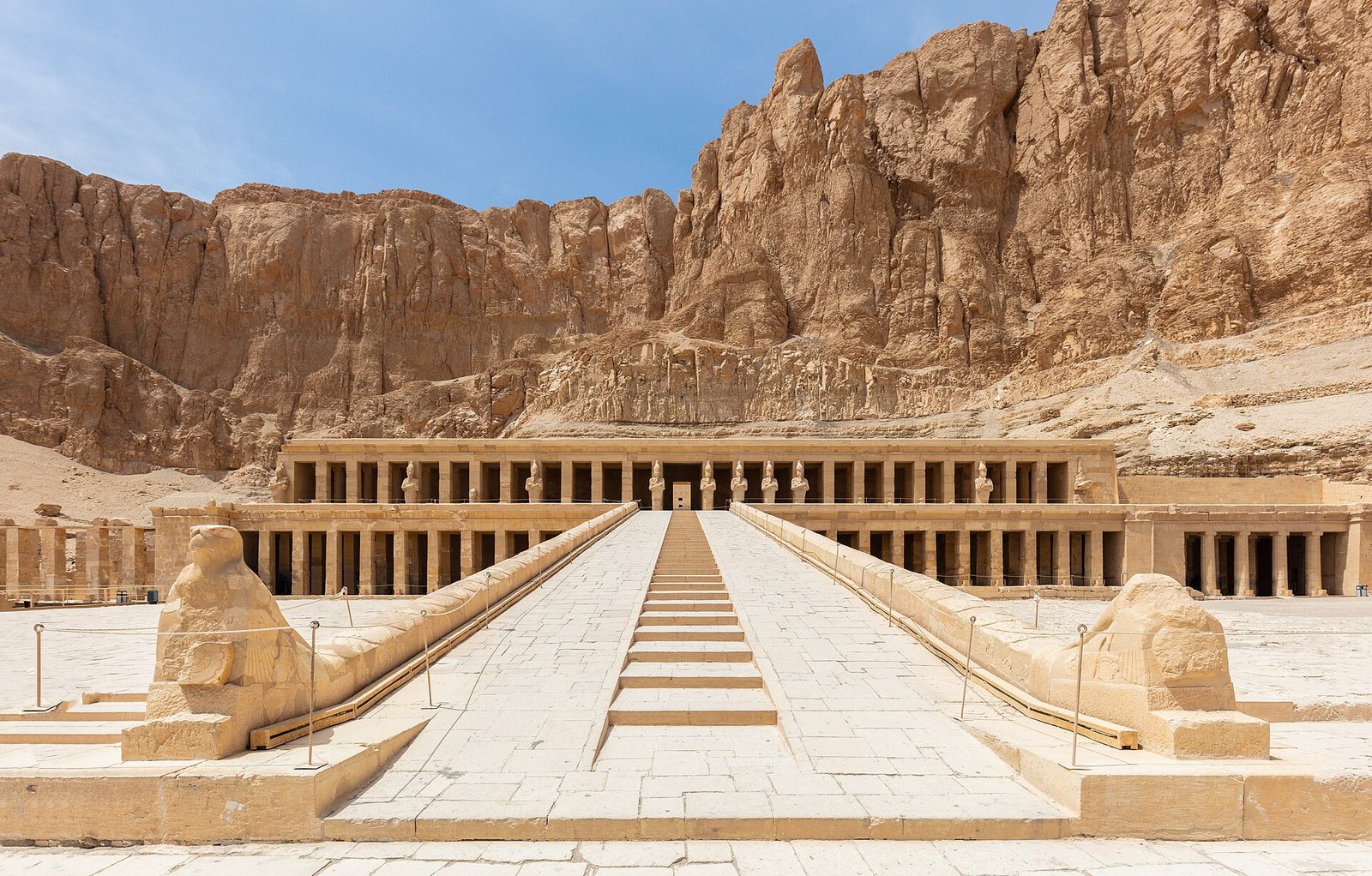
| Hatshepsut temple | Moderate to demanding | Two long open-air ramps; the lower terrace alone is a fine visit |
| Valley of the Kings tombs | Demanding | Sloping corridors, some with stairs, warm inside |
| Inside a pyramid | Demanding | A steep passage about four feet high climbed bent double, then down again |
The Valley of the Kings
The valley itself is easy: a small tram runs from the visitor center and the path between tombs is paved. Each tomb is the demanding part, a corridor descending into the rock, often with stairs, warm at the bottom, and you climb back out the way you came. The answer is not to skip the valley but to pick the right tombs, some of which are short and shallow. Two comfortable tombs at a slow pace is a full visit. Our page on Valley of the Kings tickets and tombs explains how the tickets work.
Inside the pyramids
The ascending passage of the Great Pyramid is steep, about four feet high and climbed bent double in warm, still air, and at the top is a bare granite chamber. Anyone with knee, hip, back or heart concerns should admire the pyramids from outside and leave the interior to the grandchildren. You lose nothing.
Abu Simbel and the early start
The temples are flat once you are there. The demanding part is the road: roughly three hours each way from Aswan, leaving before dawn. For older travelers we prefer the short flight from Aswan, or an overnight near the temples, as explained in our guide to Abu Simbel tickets and how to visit.
Heat, pace and the best months, in Fahrenheit and Celsius
Heat is the factor that most affects how a senior trip feels, and the easiest to remove: travel in the right months. Here is what the thermometer does in Upper Egypt.
| Months | Luxor and Aswan afternoons | Cairo afternoons | For you |
|---|---|---|---|
| December to February | 72 to 78 F (22 to 26 C) | 65 to 70 F (18 to 21 C) | Ideal; cool mornings, a sweater on deck at night |
| November and March | 80 to 88 F (27 to 31 C) | 72 to 78 F (22 to 26 C) | Excellent, visits done by late morning |
| October and April | 90 to 98 F (32 to 37 C) | 80 to 88 F (27 to 31 C) | Good with early starts and a rest after lunch |
| May to September | 100 to 110 F (38 to 43 C) | 90 to 97 F (32 to 36 C) | Dawn visits only; not for a first senior trip |
The pace that works is one main visit per day, at the gate when it opens, finished by late morning. The middle of the day is for the boat, the pool or a long lunch, and if there is energy left, a gentler stop at four: Luxor Temple as the lights come on, a felucca, a museum. Two large sites back to back in the sun is what produces the fatigue that drags through the week. Drink water before you feel thirsty. The month by month picture is in our guide to the best time to visit Egypt.
A private car and a private guide, not a bus
A tour bus is the wrong tool for this trip. Buses park where buses park, which at Karnak, Giza and the Valley of the Kings can be a long walk from the entrance in full sun. Forty people wait for the slowest, then the slowest feels hurried, and a bathroom stop is a negotiation. With a private car, you are dropped at the closest point vehicles reach, the air conditioning runs while you are inside, and the driver waits at the exit rather than in a distant lot.
The private guide matters even more. A licensed Egyptologist walking with two or four people reads the energy of the group and shortens the loop: at Karnak the great hypostyle hall, the obelisks and the sacred lake, not the far precincts; at the museum the masterpieces and Tutankhamun, not every case. A good guide also knows where the shaded benches and the cleanest restrooms are, which sounds trivial until you need one.
Hotels with elevators, ground-floor rooms and the questions to ask before booking
Think of hotels in two categories. The large Nile-front and Pyramids-view hotels in Cairo, Luxor and Aswan have elevators to every floor, ramps at the entrance and walk-in showers in some rooms. The charming small places, heritage houses on Luxor's west bank, Nubian guesthouses near Aswan, boutique houses in Islamic Cairo, are mostly stairs only. We book the first category and visit the second for lunch or tea.
These questions decide comfort at the booking stage, when they cost nothing to fix. We ask them for you.
- Does the elevator reach every floor, including the restaurant?
- Is a room near the elevator available, and how far is it from the lobby?
- Is there a walk-in shower?
- On the boat: is there an elevator, which deck is the cabin on, and how many steps does boarding involve?
- How far does the car get from each entrance, and can a wheelchair be reserved for the museum days?
An operator who answers these precisely has thought about the trip. If you or a companion use a wheelchair or walker full time, the planning goes deeper, and we cover that in our guide to accessible Egypt for travelers with limited mobility.
Health, pharmacies and insurance, in general terms
Nothing here is medical advice. Whether the trip suits you, and with what precautions, is a question for your own doctor. This is the practical picture from the ground.
Medications and pharmacies
Bring everything you take in the original packaging, in your carry-on, with enough for several days beyond the trip, plus a one-page list of your conditions, allergies and medications using the generic names, not just the brand. Egyptian cities are full of pharmacies, pharmacists generally speak good English, and many common medications are sold under local brand names. Treat this as a backup, never as the plan, because some medications are not stocked under any name.
Doctors and insurance
Large hotels have a doctor on call, private clinics and hospitals in Cairo are of a high standard, and cruise ships arrange a doctor at the next dock. Our guide to travel vaccinations and health advice for Egypt covers the pre-trip appointment with your doctor.
Take a travel insurance policy with proper medical coverage and medical evacuation, and read two clauses before you buy: whether it excludes pre-existing conditions and whether it has an upper age limit. Those are the two exclusions that most affect this age group and the two that get read least. Our page on travel insurance for Egypt explains what the policy should cover. Drink bottled water only and wear sunscreen and a hat every day, even in January.
Mobility aids, shade and the small things that make the day easy
A few objects make a disproportionate difference, and all fit in a tote bag.
- A folding cane seat. A lightweight cane that opens into a stool, the item people wish they had brought to Karnak.
- A lightweight transport chair, even if you do not use one at home. Many travelers walk the temples and ride the museums, where the halls are long. We arrange one in Egypt so you do not fly with it.
- A wide-brimmed hat and a compact umbrella used as a parasol, the way Egyptians do.
- Shoes with grip and a closed toe. Temple floors are polished stone, tomb corridors have wooden steps, and Giza is sand.
- A cooling towel and wet wipes for the car between sites.
Shade is planned, not hoped for. The walk from the car goes with the shadow of the pylons, and the guide knows the benches: under the papyrus columns at Karnak, in the birth house at Philae, by the Nilometer at Kom Ombo.
A gentle 8-day plan for Egypt after 60
The senior version of our Egypt classic tour in 8 days: the same sights, one main visit a day, every demanding element optional, and the cruise doing the moving.
| Day | Morning | Afternoon and evening |
|---|---|---|
| 1 | Arrival in Cairo, private transfer, a hotel with elevators | Rest |
| 2 | Giza by car: the plateau viewpoint and the Sphinx, no interior climbs | Lunch with a pyramid view, then the pool |
| 3 | Grand Egyptian Museum with a wheelchair or a slow walk, Tutankhamun first | Optional felucca at sunset, or nothing at all |
| 4 | Morning flight to Luxor, transfer to the ship, unpack once | Luxor Temple at golden hour, close to the dock |
| 5 | West bank early: two comfortable tombs, Hatshepsut's lower terrace, the Colossi from the car | Sail to Edfu under the awning |
| 6 | Edfu by carriage or car | Kom Ombo in the cool of late afternoon, sail to Aswan |
| 7 | Philae by boat, the High Dam from the car | Optional: Abu Simbel by air, or a Nubian village by boat |
| 8 | Disembark, flight to Cairo | Departure, or a rest night in Cairo |
Swap freely. Some couples drop day 7's options and sit on the deck at Aswan all afternoon, the nicest afternoon in Egypt. Others add two nights at the Red Sea for a beach and nothing to do.
How Explora Egipto adapts the day for older travelers
We are a local agency in Egypt with our own guides and vehicles, and many of the people we take through the temples are over 60. These are the things we do differently for them.
- Cabin and hotel choice by stairs, not by view. Boats with elevators or cabins on the restaurant deck, and rooms close to the elevator.
- First at the gate, inside each site before the buses and out before the crowds and the heat arrive together.
- A briefing the night before. The guide explains what the next site asks physically: how many steps, how much sun, how long. You decide, not the schedule.
- Skip without consequences. Anyone who wants to stay on the boat or in the car does, and the guide adjusts the loop.
- Water, cold towels and a pharmacy stop whenever needed, Abu Simbel by air as the default, and a WhatsApp line to our office throughout the trip.
You see the same temples, tombs and museum halls as everyone else, just rested, at the right hour, with someone who has already thought about your knees.
Frequently asked questions
Is Egypt a good destination for travelers over 70?
Yes. The formula is the same as for any senior trip, applied more strictly: a cruise as the base, one visit a day in the early morning, a private car to the door of every site, boats and hotels with elevators, and travel between November and March. Every demanding element is optional, and the flat sites alone make a complete trip.
Can I do a Nile cruise if I struggle with stairs?
Yes, with the right boat. Some ships have an elevator between decks and we book those first; on others, we place your cabin on the same deck as the restaurant so the only stairs are the optional ones to the sundeck. Boarding at busy docks means a few steps and short gangways, always with a crew member's hand.
Do I have to go inside a pyramid or down into the tombs?
No. The inside of the Great Pyramid is a steep, low passage climbed bent double and is the one thing we steer older travelers away from. The Valley of the Kings is different: the valley is easy and some tombs are short and shallow, so most seniors comfortably see two at a slow pace, and anyone who prefers the shade at the entrance stays there.
What is the best month for a senior trip to Egypt?
December to February is ideal, with Luxor and Aswan afternoons near 72 to 78 F (22 to 26 C) and cool mornings. November and March are excellent too, and October and April work with early starts and an afternoon rest. We do not recommend May to September for a first senior trip, when Upper Egypt runs above 100 F (38 C).
Can I get my medications in Egypt if I run out?
Often, but not always. Pharmacies are everywhere in the cities, pharmacists speak English, and many common medications are sold under local brand names, which is why your list should carry the generic names. Some are not stocked at all. Bring your full supply plus several extra days in your carry-on and use the pharmacy only as a backup.
Group tour or private tour for seniors in Egypt?
Private, without hesitation. A bus parks far from the gate, moves at the pace of forty people and follows a fixed route. A private car drops you at the closest point and waits at the exit with the air conditioning on, and a private guide shortens the loop, finds the benches and adjusts the day to how you feel.
Egypt at your pace, planned by people who walk it with your generation every week
Tell us your dates, how many steps are comfortable, whether anyone uses a cane or a chair, and what you most want to see. We come back with a slow-paced itinerary on a cruise with an elevator, a private car and guide, every demanding site optional, and the quote.